I built the tool
I needed myself.
I have cluttered since childhood. Here is why I built Talk Slower, and for whom.
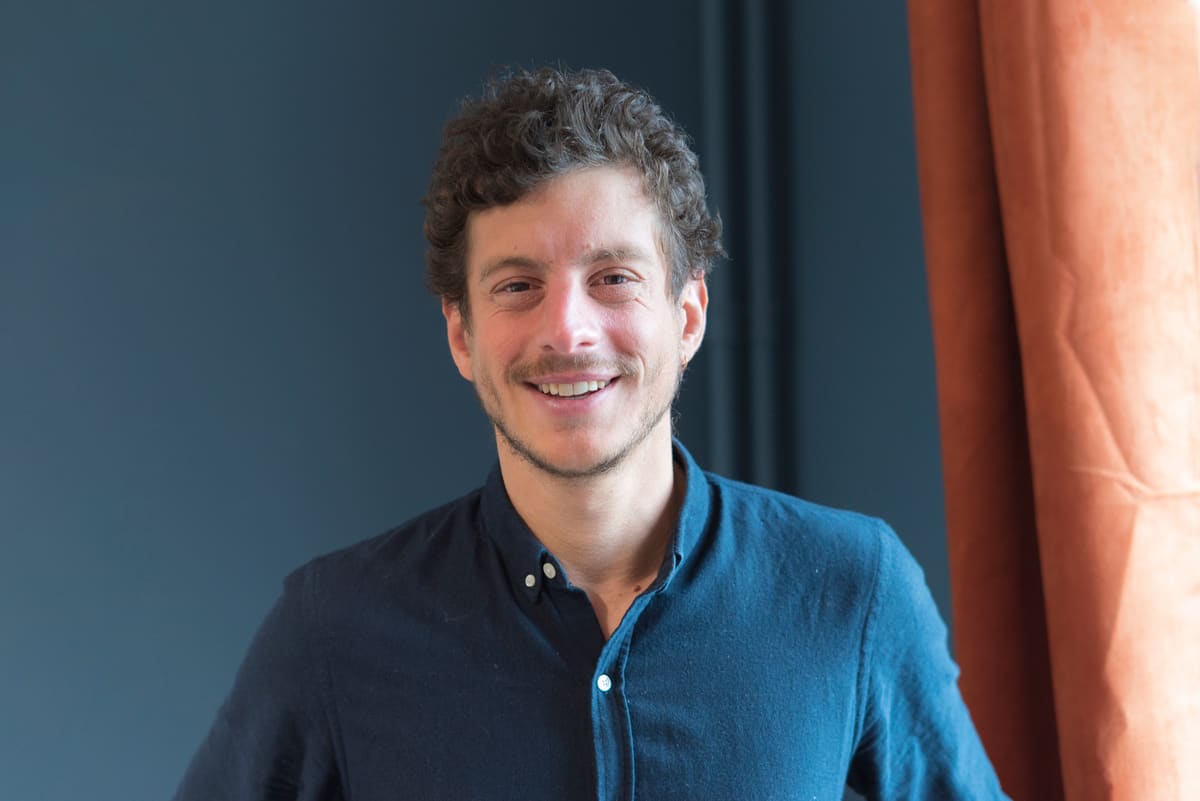
Clément
Founder
Cluttering, ever since I was little
As far back as I can remember, I always talked too fast. The words jostled to get out all at once. And I heard the same lines hundreds of times: “Say that again?”, “Nobody can understand you”, “Make an effort”. I thought I was the only one.
In 2022, in Annecy, I finally saw a speech-language pathologist. I walked in thinking I simply talked too fast. I walked out with a word, cluttering, and a discovery: it is far more common than people think. Just knowing I wasn't alone did me a world of good.
“I had given up. I would have needed an app to keep me motivated, to do the exercises at home, without having to record myself on my phone.”
The frustration that started it all
What was sorely missing
Even though the sessions worked, there were obstacles that made me give up.
Recording myself on WhatsApp
I recorded myself on WhatsApp. Nobody likes hearing their own voice played back: it was a real barrier to practicing at home.
Counting syllables with tally marks
At home, I counted my own syllables with little tally marks on a sheet of paper, just to know whether I was going too fast.
No motivation between sessions
No tool was really suited to it, and nothing tracked my progress. Motivation faded between each appointment.
So I built Talk Slower
The therapy helped me. It really did. But my speech-language pathologist struggled to prescribe exercises for me, and I struggled to do them at home. A suitable tool was missing to support patients between sessions.
A tool that automatically measures your speech rate. That gives real-time visual feedback. That keeps you motivated to practice regularly, with goals and day streaks.
That's how Talk Slower was born: the tool I dreamed of having from the very first day of my therapy. It keeps evolving thanks to feedback from speech-language pathologists and patients: voice notes, messages, screenshots.
I'm not a speech-language pathologist, I'm a patient who clutters. By day, I run a company that makes escape games to print and play at home. The rest of the time, I tinker. I'm an unapologetic geek.

Want to find your rhythm?
Join the patients and speech-language pathologists already training with Talk Slower.